A rare ecosystem beneath the tracks

The open dune is only part of Sand Mountain.

There is a butterfly here that exists on this one dune and nowhere else in the world. Everything about how the recreation area is drawn follows from that.

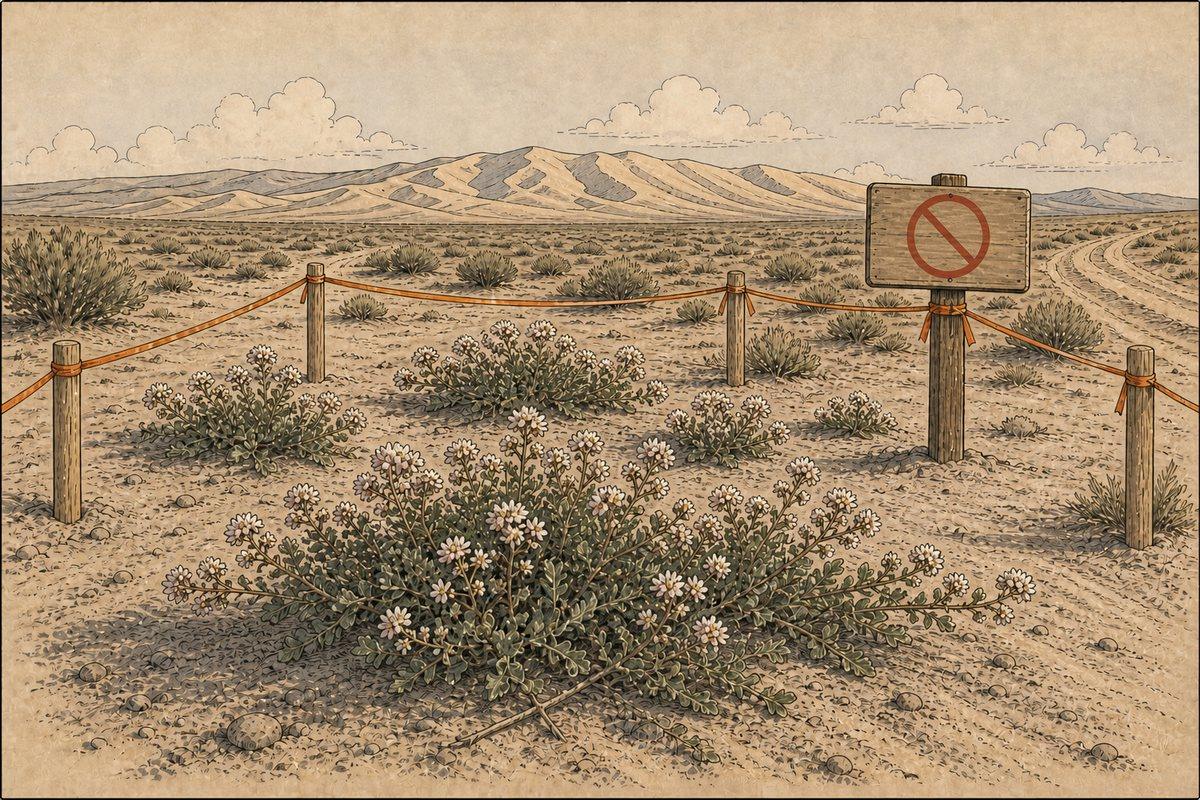
Kearney buckwheat grows inside a marked Sand Mountain habitat closure while riding tracks remain outside
Illustration: the protected Kearney buckwheat habitat; the Sand Mountain blue butterfly is not depicted.

A species with one address

The Sand Mountain blue, Euphilotes pallescens arenamontana, is found on this dune and nowhere else on Earth. Not rare across the region, not uncommon elsewhere. Here, or gone. That is an unusual thing to have under your tires and it is the reason this place is managed the way it is.
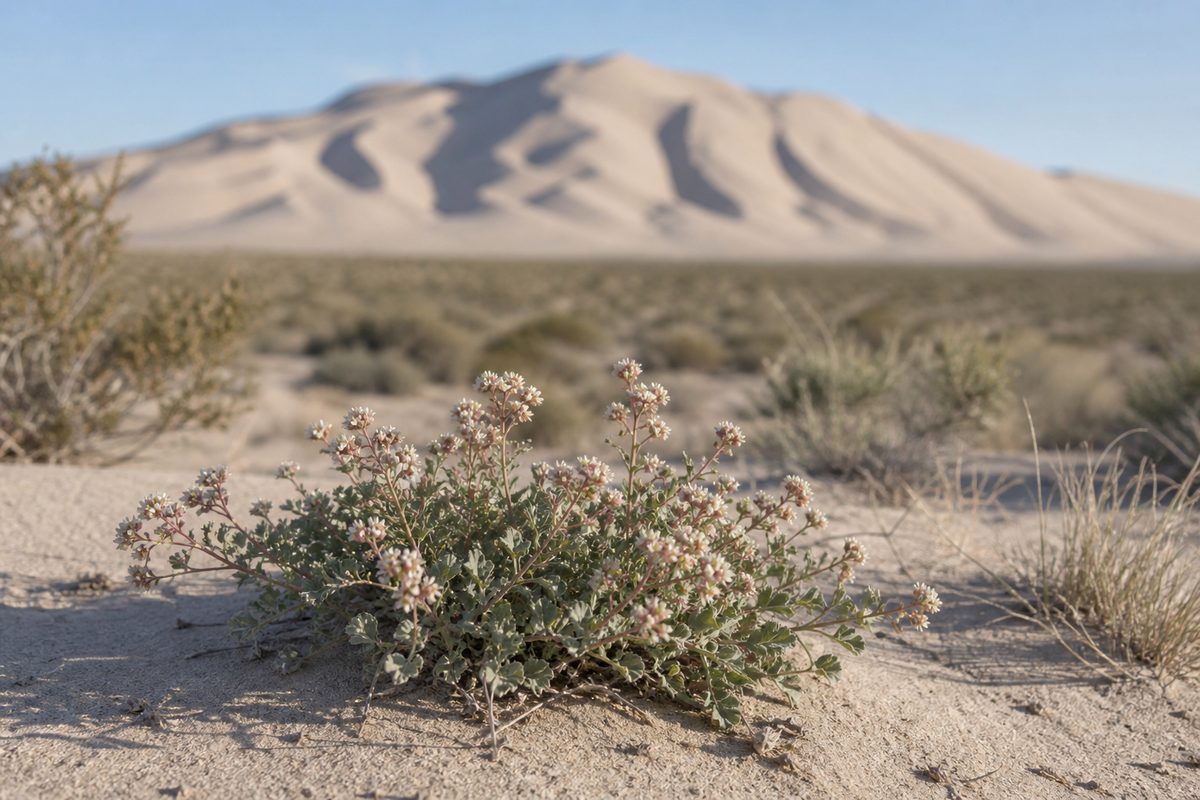
Kearney buckwheat growing in the sandy margins of the Sand Mountain recreation area, the only host plant of the Sand Mountain blue
Illustration of Kearney buckwheat habitat. The butterfly itself is not depicted here; the documentary photograph of it is on the history page.

It depends on one plant

The caterpillars eat Kearney buckwheat and the adults take nectar from the same plant. One species of butterfly, one host plant, no alternatives. That buckwheat grows across roughly a thousand acres inside the recreation area, which is what the signed closures are drawn around. The boundary is not arbitrary, it is the edge of the plant.

The trade being made

Roughly 4,795 acres are open. Around a thousand carry the habitat. Everyone riding here gets the great majority of the dune field, and the arrangement holds as long as the closures are respected. Staying out of them is close to free for a rider and it is the entire reason the rest stays open. That is a good deal and it is worth saying plainly.

Read the signs, not the tracks

BLM signs the closures and maintains that signage. If tracks run into a closed area, that means somebody else ignored a sign, not that the sign moved. A GPS pin on a personal map is not evidence that a route is legal. Use the official map.

The rest of the neighbourhood

Beyond the butterfly, this is Great Basin shrubsteppe with the birds, reptiles, and small mammals that go with it. Lizards use the same warm open sand you do, and they are most active in exactly the hours you want to ride. Snakes turn up in shade and under gear, so look before you reach into anything you left on the ground overnight.

Do not pursue anything

Never chase an animal with a machine, at any speed, for any reason. Stop at a distance and let it decide where to go. A pronghorn or a coyote that runs from a side-by-side burns energy it needed for something else, and in a place this exposed that is a real cost.

The stakes are bigger than a fine

Riding areas close when the case for keeping them open falls apart. A dune with an endemic species on it will always attract scrutiny, and the record of how riders behave here is the argument. Every weekend somebody stays out of a closure, that argument gets stronger.

Verify before travel. Conditions and regulations can change. Use the responsible agency's current information for final decisions.

Open the official BLM source →
Part of theDUNE GUIDE USA NETWORKLocally built dune guides. One place to start.